Though I don’t remember much of the details in the story told within Le Navire Night, directed by Margeurite Duras, I remember the feeling of the film and how it blurred into the experience of watching it alone on a laptop in the dead of a sleepless night. Duras’ words on the narration, the movement of the camera across empty spaces around the Seine and an estate, actors sitting in the interior asking questions, the presence of the lights and cameras. An overall atmosphere of loneliness and reaching for connection and meaning within emptiness.
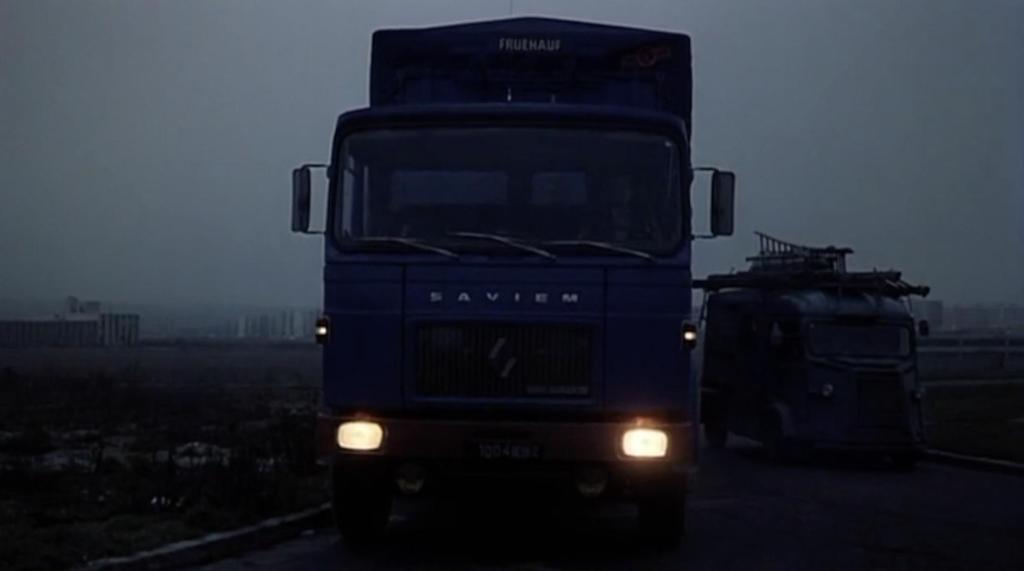
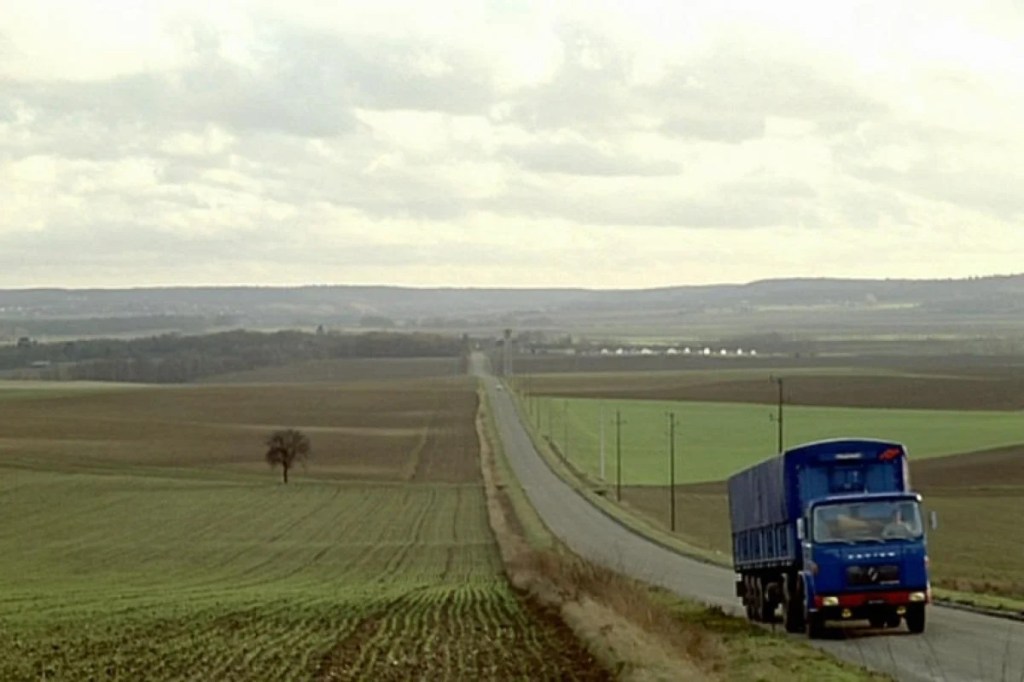
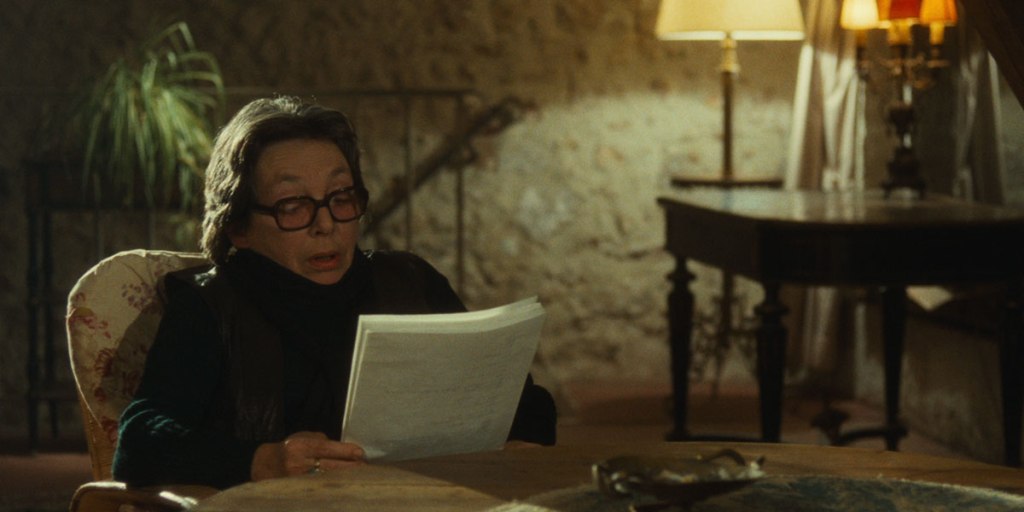
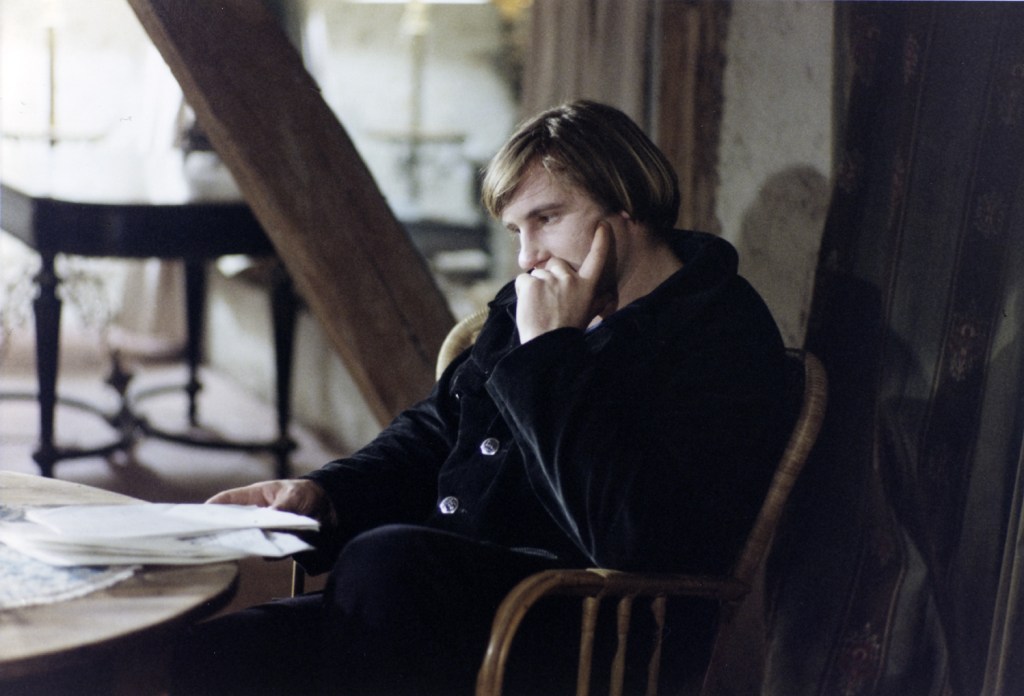
Duras is a novelist first, a director second, prioritising her words. And yet with her collaborators, uses visuals to expand the themes and moods of her abstract and symbolic narratives. Le Camion (1977; aka The Lorry) opens on a blue lorry truck beginning its journey across highways in the French countryside, early morning with faint mist in the wintery landscape. In Duras’ flat, she sits at a table with actor Gerald Depardieu, and they discuss her script which they hold in the hands. When I heard this concept, I shouldn’t have been surprised that this meta layer does not unfold like an animated workshopping of a script. Depardieu asks occasional questions, listens and ponders, will often read some parts of the script, but it is mainly Duras reading the script, her voice on the narration. Describing a woman on a road, asking for a lift and getting into a truck driven by a man. The window of the truck is their screen, like the pages of the script are the shared dimension between Duras and Depardieu. There’s the movement of the truck through space, often conveyed in shots by a camera fixed onto it. The scenes are “everything” of life, other cars, some pedestrians walking along the roads, buildings, industrial landscapes. Contrasted with the stillness in the room between director and actor.
“Karl Marx is dead,” the woman says. There are details given about the woman, and the relationship between and the driver seems to be around discussions of “the proletariat.” The woman talks, the man drives and occasionally replies. Duras keeps this elliptical and symbolic enough that we can add further meaning to this “everything.” I would occasionally nod off, and rewind the film. There is a capital-A Arthouse investment being asked of the viewer, deconstructs what a film could be within its shape and structure. And yet the visuals and the words are beautiful even within their opaqueness, offering space to ruminate, to think of what this all means.