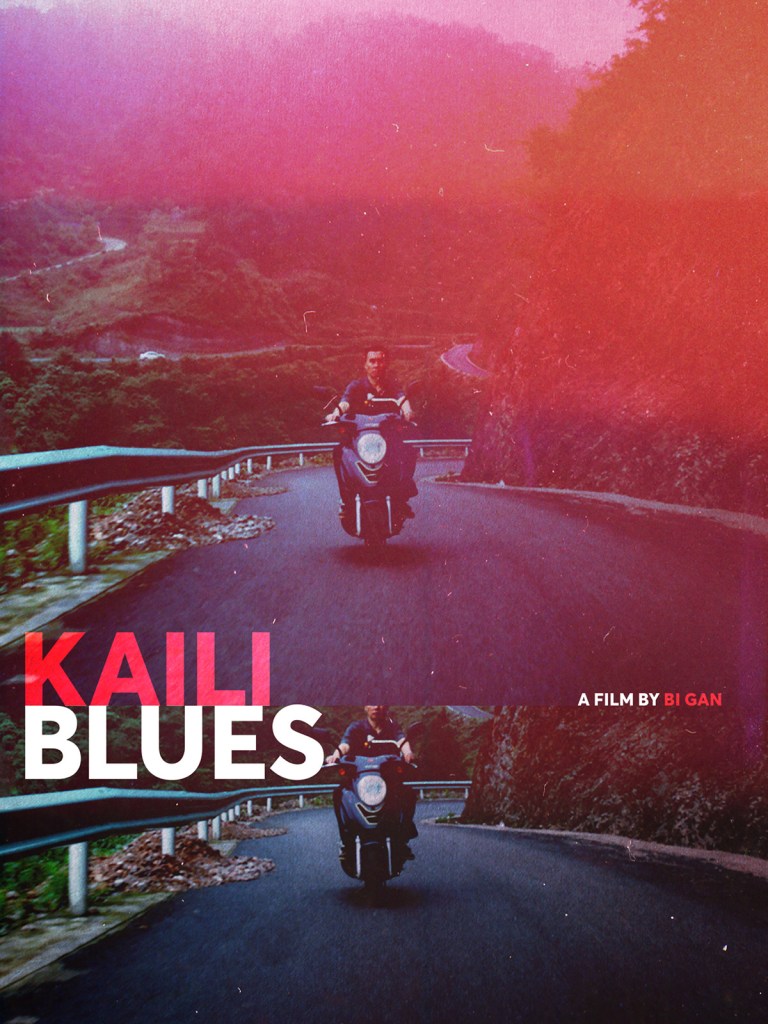
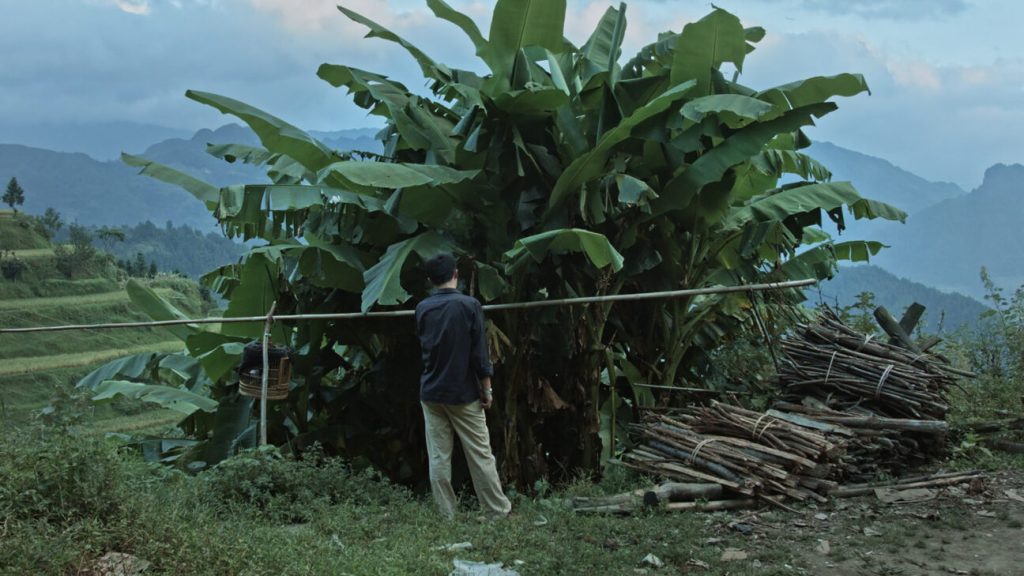
When it comes to slow cinema, there can sometimes be a split inside myself during the experience. Like in Kaili Blues (2015), there’s a beautiful long take of the camera watching Chen Shen (Yongzhong Chen) on the back of a motorbike as it winds around mountain roads, greenery and mist in the landscape behind them. I have this thought: “This is a beautiful image and I never want it to end.” Then my eyelids start to grow heavy, and I feel myself tired, the physical parts of me wanting to just move and get to the point.
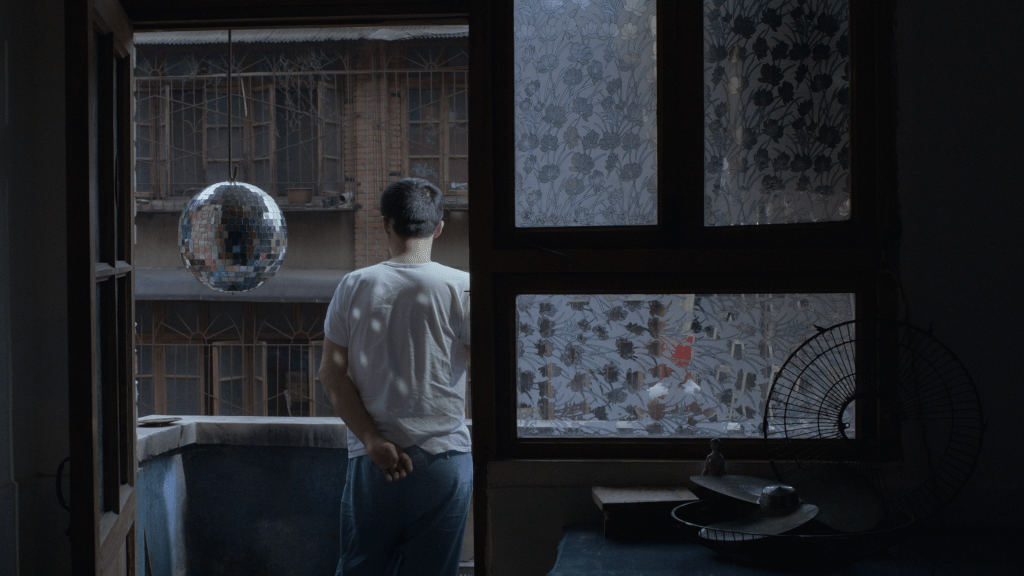
With Kaili Blues, the only frame of reference I had was enjoying director-writer Bi Gan’s film, Long Day’s Journey Into Night, which was also a work of slow cinema yet infused with neo-noir archetypes and aesthetics. Kaili Blues was Gan’s debut film and came before Long Day’s Journey Into Night, and it’s intriguing to see the similarities and evolution between the two films. While Long Day’s has a certain neon gloss and Wong-Kar Wai influence, Kaili Blues is more lo-fi and roughshod in its cinematography, particularly when it begins a one-take shot that lasts forty minutes. The bravura one-take shot was also a technique that marked the second half of Long Day’s.
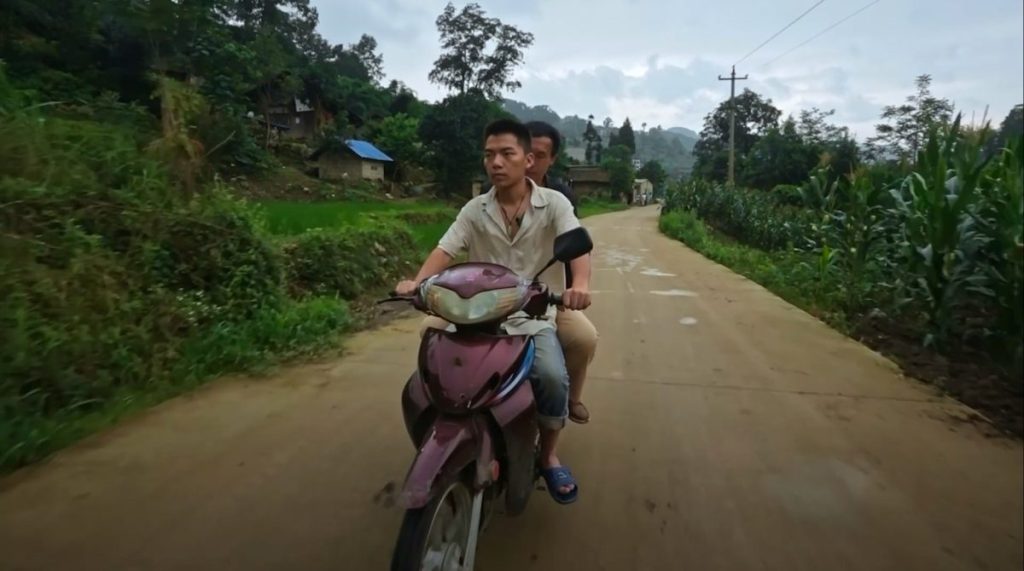
Again, the lack of reference extended to not being sure what Kaili Blues was actually about. The only thing I knew about it was that Gan’s uncle Chen was the leading protagonist, and we first see him as a patient to a doctor, discussing his symptoms of feeling sick and struggling to sleep. And yet, this is a film powered by dreams and the confusion between waking life and subconscious imagery. Later on, we realise that Chen works as a doctor himself. Chen has a fondness for his nephew Weiwei. Weiwei’s father, Chen’s half-brother, is named Crazy Face and often leaves Weiwei on his own while he gambles. Eventually we hear discussion that Crazy Face intends to sell Weiwei. When Weiwei is taken on a trip to a neighbouring village, Chen takes a train and begins a journey to find him.
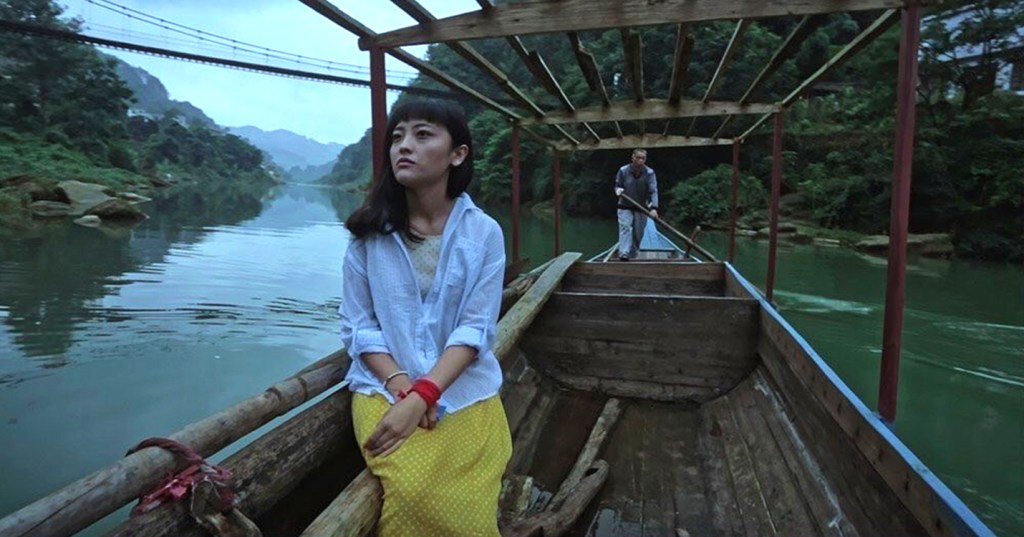
Kaili Blues doesn’t reveal its hand too broadly and allows us to observe Chen as he explores a village named Dangmai. Intermingled are poems (written by the director) broadcast over a television program and layered on the narration, and imagery that coincides with Chen’s reveries over his dead mother’s blue shoes floating in the water. As Chen meets people in the village, there are insights into his past and people from there, such as his ex-wife. People smoke a lot, there’s a band of young kids setting up a gig in the village, there’s a seamstress who is also training to be a tour guide of Kaili. There are clear influences from directors like Andrei Tarkovsky, Tsai-ming Liang and Apichatpong Weerasethaku, with the recurring symbols around time, such as the watch that Weiwei draws on his wrist. I appreciated drifting through space and experiencing time, and just settling into the lo-fi ambience.
Found a subtitled copy available on YouTube.

 VHS Tracking