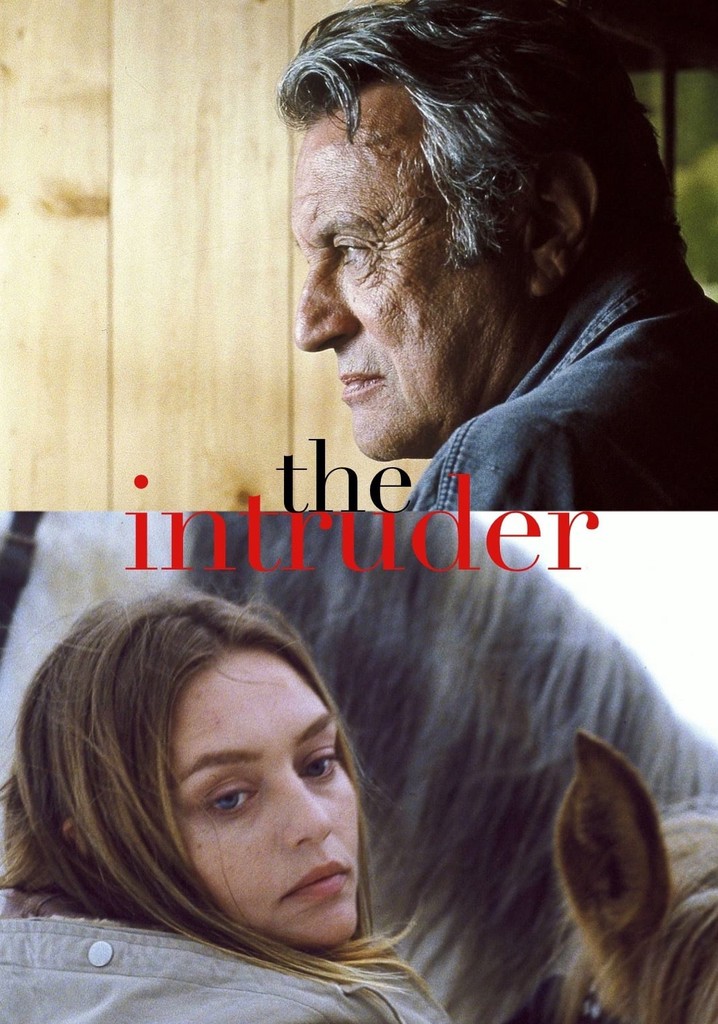
As a filmmaker, Claire Denis offers elliptical narrative experiences, introducing us to a few characters, observing their faces and their movements, and only gradually revealing the connections and histories between them. The Intruder (2004) is even more elliptical than her other films, complicating our understanding with the inclusion of dreams and recurring figures who may be more symbolic representations than actual characters. The grounding force is the presence of Michel Subor, an older French actor who has appeared in other Denis directed films like Beau Travail and Bastards, often as a silent and imposing figure of authority and power. Even though The Intruder gives Subor the lead role, he remains no less silent and imposing, a mystery for the viewer to interpret, from his deep eyes to the lines on his face, and his tanned and lined body.
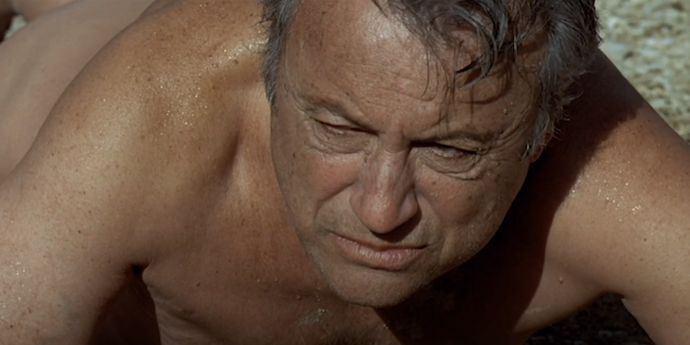
Living in a cottage on the French-Swiss border, Subor seems to have an idyllic existence, walking two dogs, occasional dalliances with a pharmacist in town, and communing with the nature around him. The opening scenes already mar this idyll with tensions, and the potential meanings of the title, as people illegally cross the border in the dead of night, and groups mysteriously congregate in the woods. To pare it right back, The Intruder follows the consequences of Subor’s need for a heart transplant, and his on-going travels which are bankrolled by a mysterious past. There are familiar faces from French cinema and Denis’ movies such as Gregoire Colin, Alex Descas and Beatrice Dalle, and then beautiful cinematography from Agnes Godard of the international locations, and the documentary style observance of life from port towns and pacific islands.
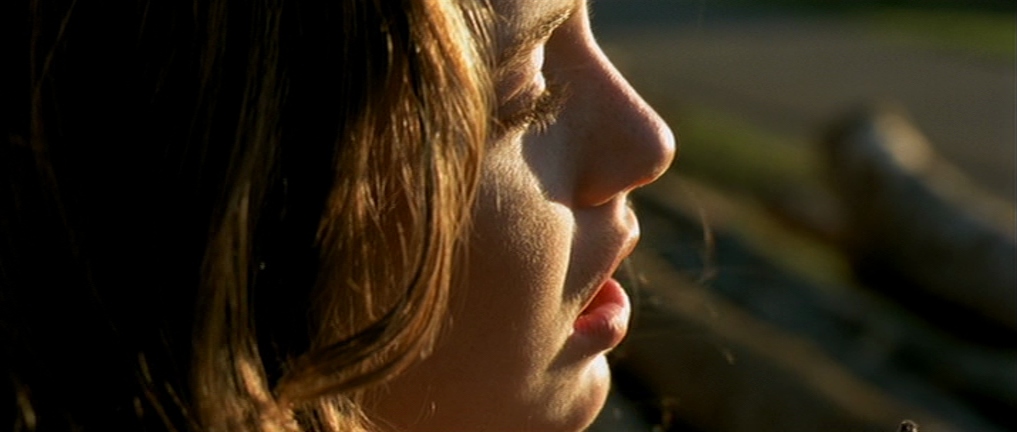
What to take away from a film that’s so oblique and is resistant to providing any clarity? Knowing the director and her work, there can’t help but be some commentary on colonialism within Subor’s presence as an older French white male, who moves through the world with ease and secrecy. Often it’s the film’s sense of ambience, shifting from observance and introspection of the surrounding environments to a strange rising anxiety and dread, as if Subor’s character is always being followed and haunted. Even when I was confused by The Intruder, I was always compelled by the absorbing style and the languid momentum. Subor is a fascinating face to read into, and how his presence exists in the spaces he tours, particularly in the wake of his heart operation. A lingering displacement and disorientation is felt, even when returning to the scenes of his youth (and even using clips from an earlier film from Subor’s youth in the 1960s as flashbacks). Great score by Tindersticks’ Stuart A. Staples (of course).

Streamed a copy through Rarefilmm.

 VHS Tracking