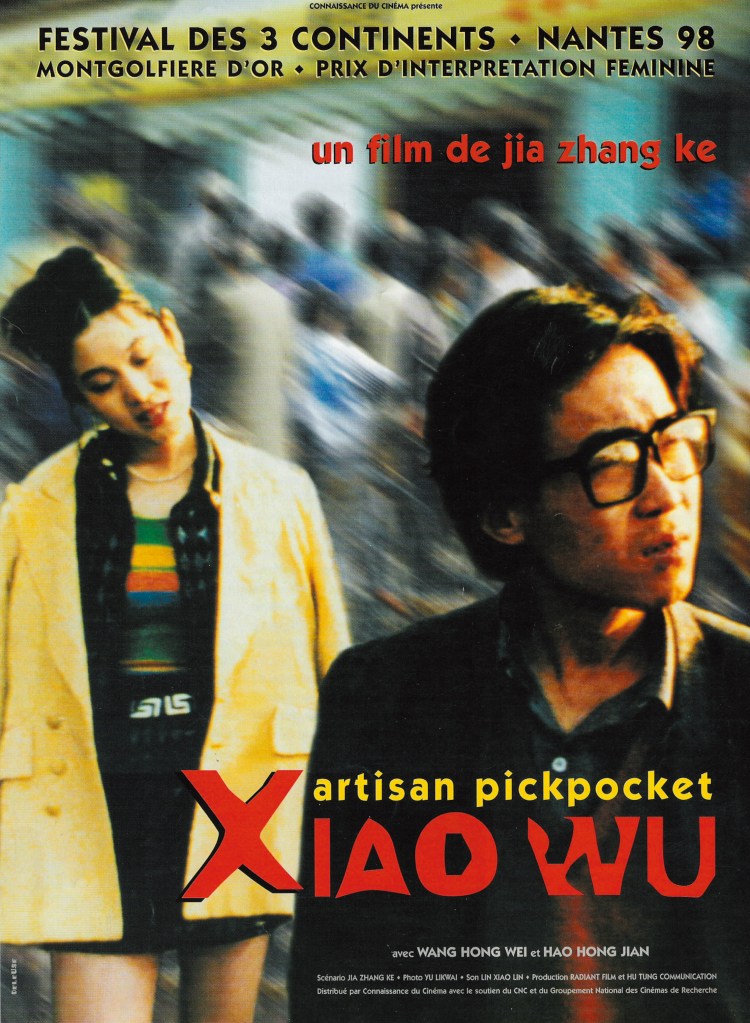
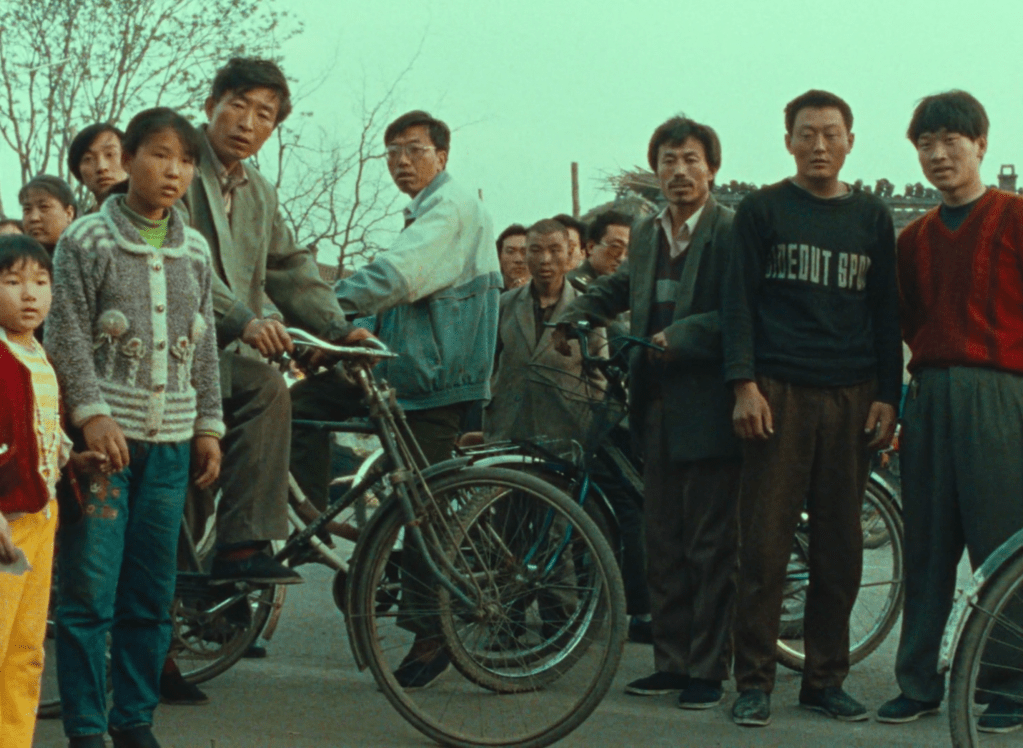
In Jia Zhangke’s Pickpocket (1997) aka Xiao Wu, which was shot in the Chinese town of Fenyang (where Zhangke grew up), there are a few street scenes where something happens, often to the main character, and people passing by begin to stop and look; there’s a feeling that these are not extras, but actual people wondering what’s going on. This doesn’t break the fourth wall or the illusion of the story since it’s about the individual and society. By following a main character who’s a pickpocket, that’s a stealth act that picks at the idea of social order. That the unassuming person rubbernecking next to you in the crowd is pinching your wallet. From a Chinese perspective, the question is: can I at least get my identity card back?
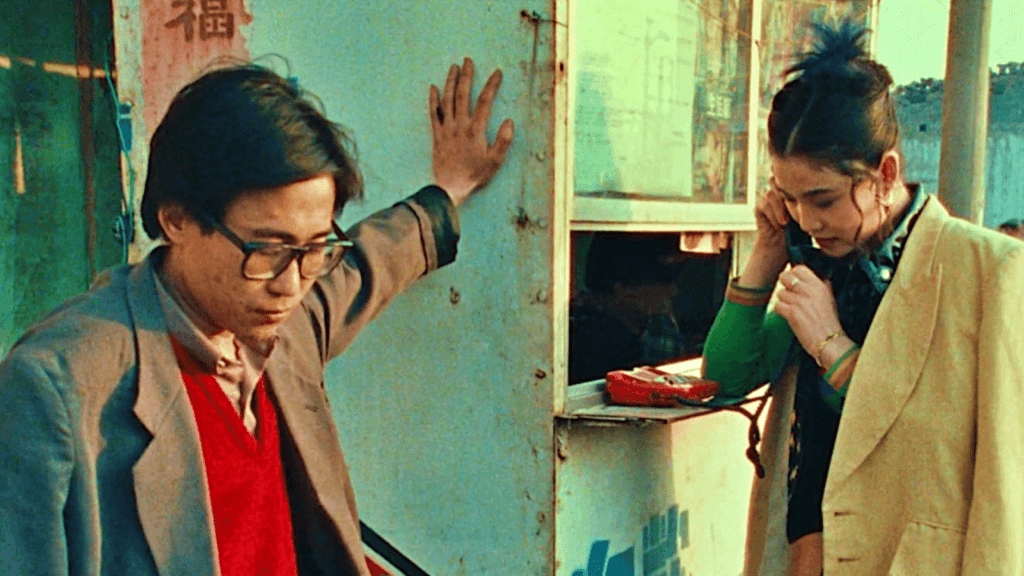
As a character study, Xiao Wu is unassuming as a presence; he doesn’t look like a criminal or shifty. With a suit that seems one size too big for him, and a pair of glasses that cover half of his face, there’s a comical air to Xiao Wu, as if he’s playing dress up as an adult. He does carry himself with a certain air, surliness crossed with an interior sense of status, that isn’t connecting with the wider social momentum in China.
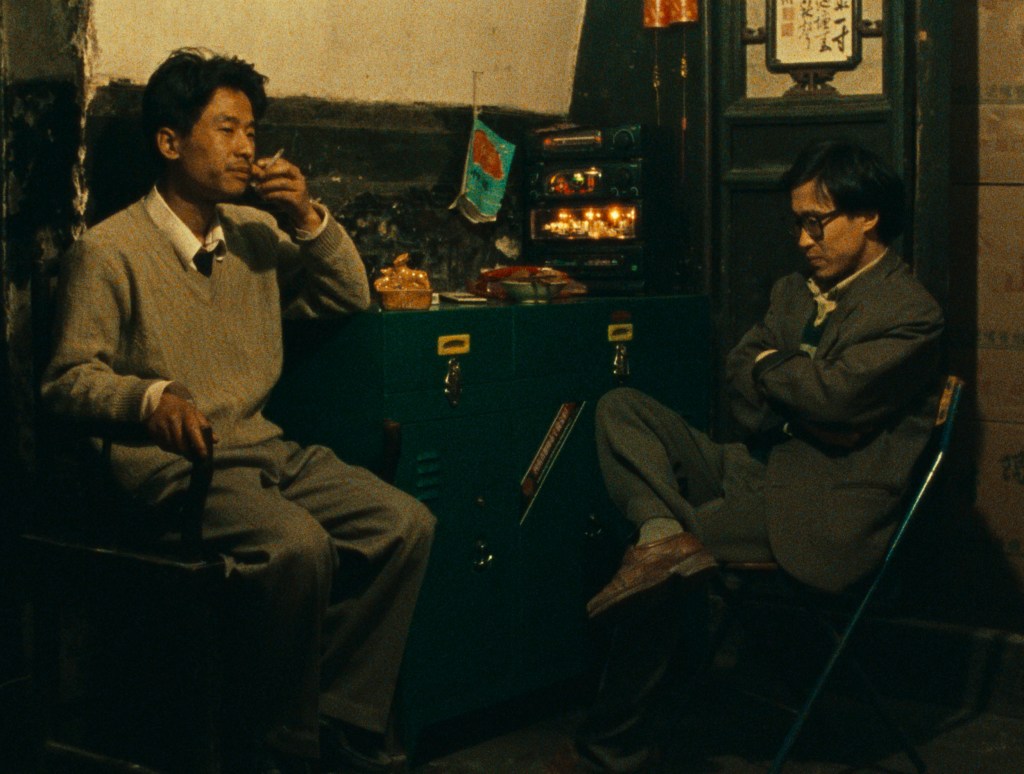
Wang Hongwei’s face has a frowny, pinched quality; you could imagine an indie comic-book version of it. He continuously smokes and wanders around. Without a job, he looks for marks, and in one scene, leads a gang of younger pickpockets (all teenagers). We gather that those he ran with back in the day have moved on, actual grown ups who are running shops or getting married. Jia Zhangke’s thematic interest, from the few movies I’ve seen (Still Life, Ash Is Purest White), is in the march of time and how it’s felt on both a local and wider scale. In this case, how someone moves around restlessly even as everything around him has incrementally but massively progressed past him. The local authorities know he’s a pickpocket, and he’s been busted before.
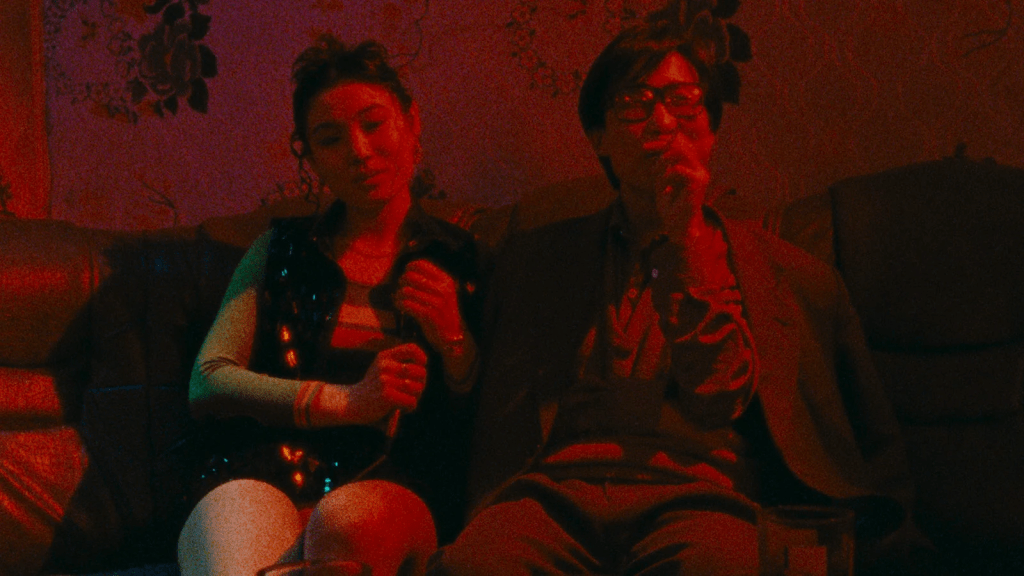
Observational and working like a docu-drama about the area that it’s filmed in, I really liked Pickpocket. A street level experience shot on 16mm film that shuffles along, witnessing its character act bigger than his station, resisting the world of work, any connection to his family of poor farmers, and naturally only sharing his vulnerable side to an aloof karaoke girl eager to move to the big city. I loved being able to identify the use of the Sally Yeh song from The Killer, being played from a TV during one sequence of Xiao Wu ambling along the streets.
Available to stream on SBS On Demand; restoration part of the Martin Scorsese World Cinema Project.

 VHS Tracking