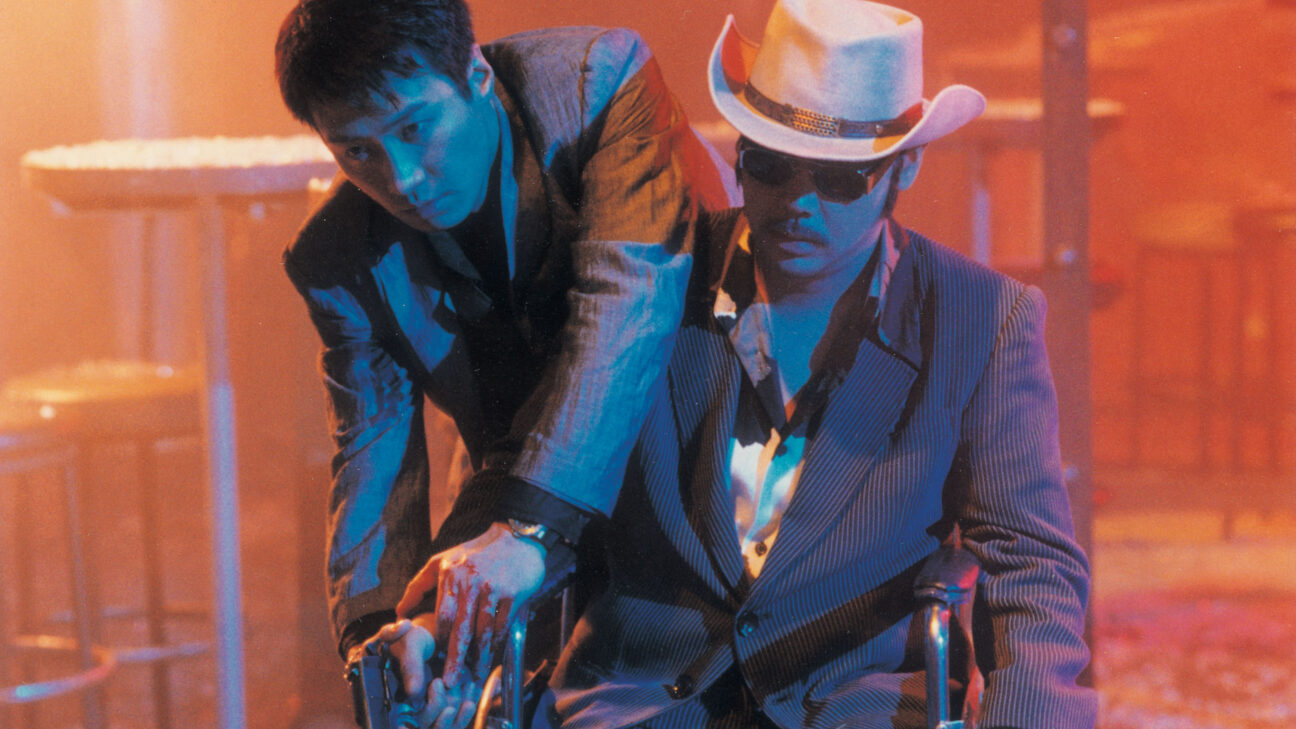
Wine being poured into a glass while blood drops onto a table; the bartender doing the pouring, having been smashed in the face by demanding triad bosses ordering him around. One lingering image from the very stylish A Hero Never Dies (1998), which uses a bottle of wine as a symbolic bond between two criminal rivals, lieutenants from opposing triad gangs. Even the choice of red wine as something these professional gunmen take pride in, offer to each other and smash glasses, all feels like an original detail in the restaged tropes of a ‘hero’ action melodrama.
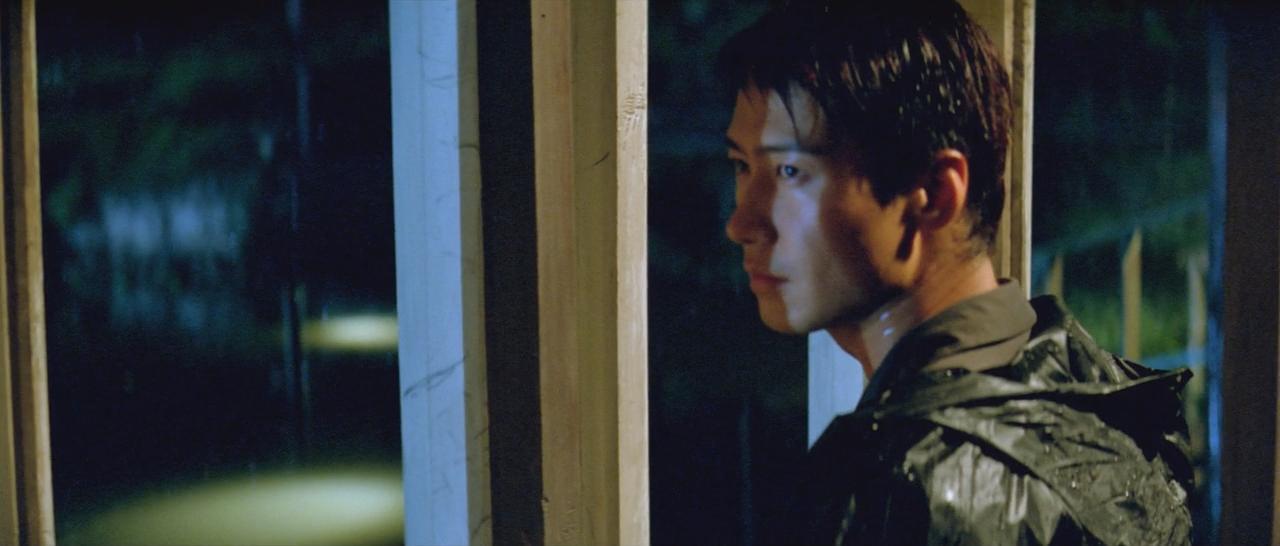
Heroic bloodshed, or a “hero” film as it’s referred to, in Hong Kong cinema was made popular by John Woo’s hit, A Better Tomorrow. While it might be defined by stylish action and concepts of brotherhood, the sub-genre is also characterised by its emotional melodrama, such as falls from grace and redemptive acts. Johnnie To’s film, A Hero Never Dies understands this and approaches the formula in creative and distinct ways at a time when these movies were not as popular in Hong Kong (from what the extras on the great Chameleon Films blu-ray release tells me).
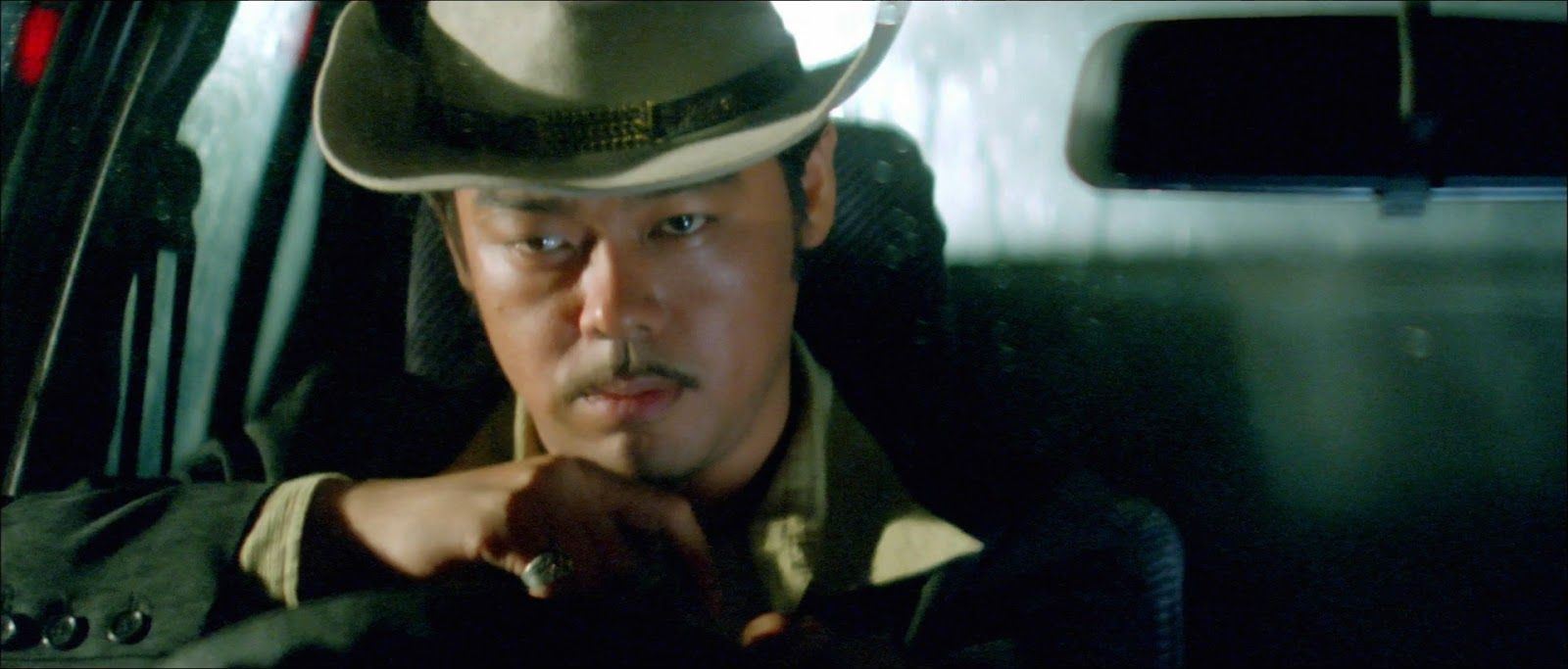
Our heroes are cool in different ways. Brother Jack (Leon Lai Ming from Fallen Angels) is a quiet and smouldering cool, while Brother Chau (Sean Lau) is cocky and audacious with his cowboy hat and laser scope. Everything is shot through with a spaghetti western vibe, as the two find themselves in opposition (a bit like Clint Eastwood and Lee Van Cleef in For A Few Dollars More), and then playfully duelling in a late night drink flicking coins to smash their wine glasses. Eventually they are both left for dead and betrayed, their underworld masters have agreed to work together, and A Hero Never Dies shifts into the weepy tragic register as their status and fortunes are turned upside down. The film also provides greater attention to the female characters – the gunmen’s girlfriends – who both reveal their own strength of character protecting their men.
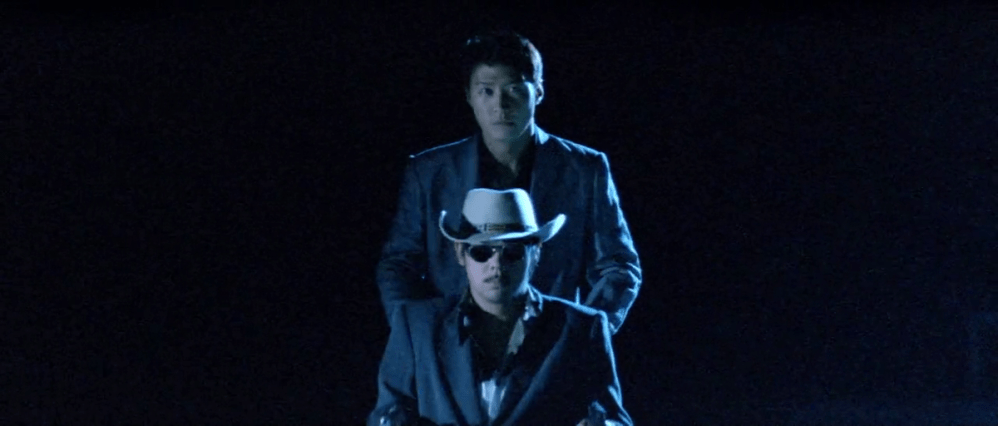
The cinematography and action direction emphasise emotional beats over kinetic stuntwork, impressing more with conceptual ideas and visual motifs in the frame: bodies falling out of the roof during a hotel shootout, laser sights dancing around in the darkness, a nightclub shootout which is obscured by the engulfing red and blue lights. Often there are large stretches of the film that don’t revolve around dialogue, preferring its visual storytelling and the multiple covers of the Japanese ballad ‘Sukiyaki.’ A Hero Never Dies feels as rich and bold as a bottle of red wine, adding a classy and aesthetic touch to a genre film.

 VHS Tracking