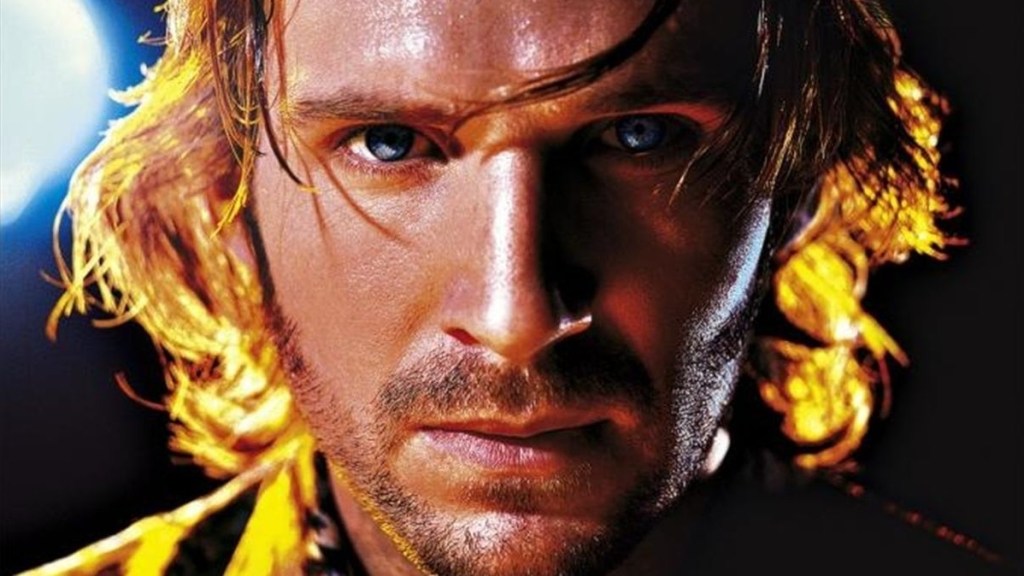
Prowling through the dangerous streets of Los Angeles in the dead of night, sidewalks vibrating with people, partying, violence, confetti and smoke, Lenny Nero (Ralph Fiennes) changes the radio station of his BMW, bouncing across music styles and radio chatter – everything is played out and already been done. An ex-cop turned drug dealer, Nero’s drug of choice is memory, an illegal SQUID net device allowing people to record and re-experience memories as physical experiences. Voyeurism is an addiction and a crime. People want escape, the past or what they can’t have, because the future looks uncertain. The days leading up to the year 2000 could have been the end of the world; that wasn’t the case but the apocalyptic vibe carries forward into the successive decades ensuring that Strange Days (1995) still feels timely. This is a movie I’ve only seen once before, I think, but as a teenager I repeatedly read its marketed tie-ins such as the published book of producer/screenwriter James Cameron’s ‘scriptment’ (not quite a novel, not quite a screenplay) and a Marvel Comics adaptation of the movie. Fascinating to think of a big budget studio release that was a cyberpunk neo-noir thriller starring three main actors who were acclaimed but not proven box office stars, a film featuring hard violence and troubling themes – everything from sex-and-violence voyeurism to processing the LA riots to end of the century dystopia with its big hook of being set on New Year’s Eve 1999. Directed by Kathryn Bigelow and co-written by Jay Cocks, Strange Days was a result of the studio deal that Cameron had after the gigantic success of Terminator 2: Judgement Day and unfortunately was a flop upon release. The fact that it’s not widely available to stream or to own on Bluray is a crime, because despite some dated elements in anticipating the new millenium, the film holds up better than you’d think and is proof of Bigelow’s considerable talents as a director. The story follows the charming yet pathetic Nero who is still obsessed over his ex-girlfriend, Faith (Juliette Lewis), a rock singer who has taken up with a sleazy manager (Michael Wincott). Nero finds himself becoming increasingly paranoid and embroiled in a conspiracy involving the police shooting of a hip hop star, Jeriko One (Glenn Plummer). With his best friend, security guard and limo driver, Mace (Angela Bassett), Nero searches for answers while a mysterious psycho killer taunts him with recordings of his murders. Strange Days was quite amazing to re-experience. A new camera was developed for the POV camera shots that allow you to “jack in” to the memory disc sequences and along with cinematographer Matthew F Leonetti, the film looks brilliant, providing a considerable atmosphere with the confetti and fireworks lighting, and the use of mass extras in street scenes and club scenes. At a lengthy run time of two hours and a half, you are drawn into the world of the movie and the temperature of the moment across several long nights, and the plot develops, incorporating a lot of themes and ideas, collapsing Brian De Palma style explorations of voyeurism with pointed if naive political commentary. The ending does dodge the true complications of police power and community revolution (and feel more honestly captured in Bigelow’s later grim, uneven historical film, Detroit). It also features the worst casting choice since Gary Sinise in Snake Eyes in regards to giving the game away for the ensuing mystery (when the actor shows up, it’s like, okay, they must be the killer). Fiennes is really great as the fast-talking, charismatic loser but is surpassed by Bassett’s magnificent work as Mace, giving the film considerable heart and cool. Eclectic soundtrack featuring Lewis performing some PJ Harvey tunes fantastically, Skunk Anansie, Deep Forest and Peter Gabriel. Recommended.

 VHS Tracking