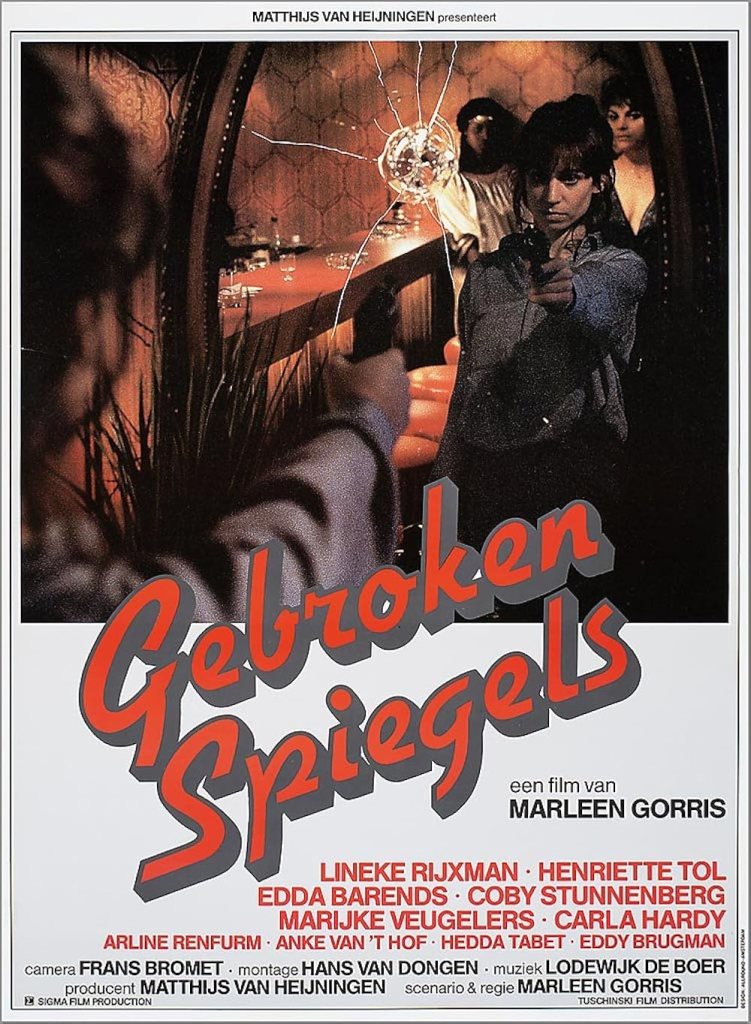
Broken Mirrors (1984) is a bleak and powerful drama with two narrative strands, the inner workings of a brothel called Club Happy House, and a man whose face we don’t see kidnapping and murdering women off the street. Part of the viewing experience is the tension around when these two strands might intersect, but more than that, it’s about the misogyny against women and the violence perpetuated against them.
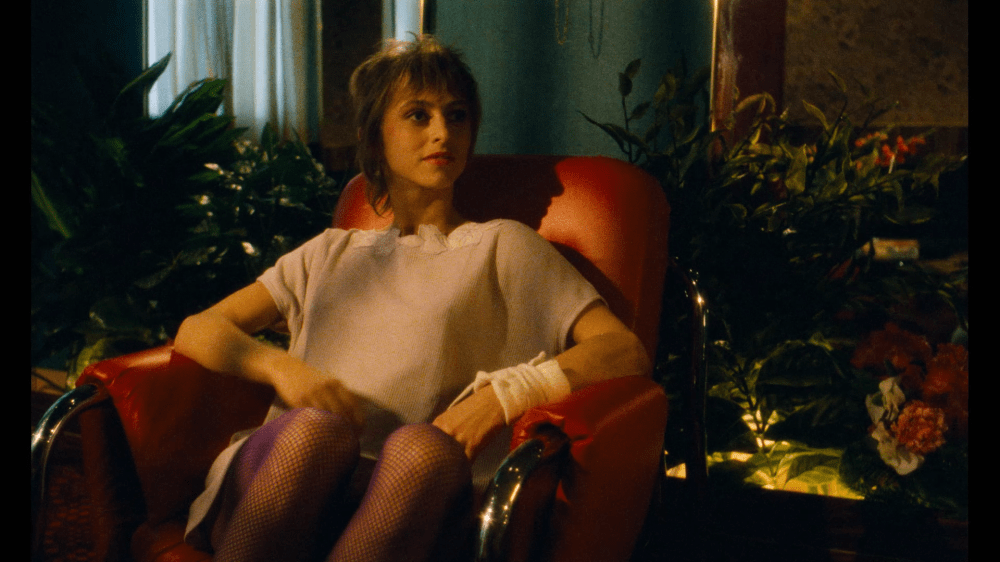
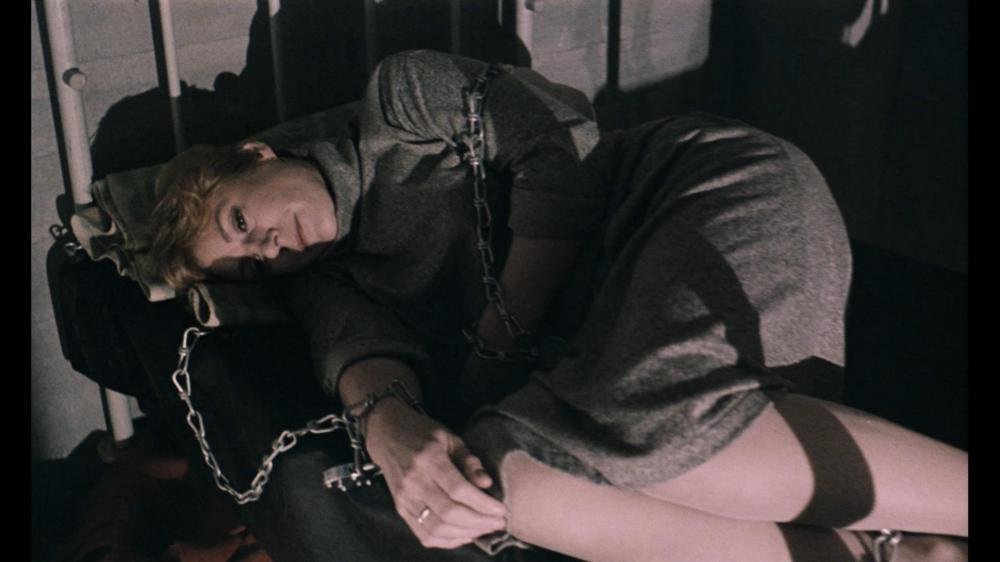
Directed by Dutch filmmaker Marleen Gorris, the depiction of sex work is very frank and transactional, mainly hanging with the women in the waiting room of the brothel. The design and the look of Club Happy House is lamp-lit, decorated with mirrors and drapes, and even though it is striking a cosy and seductive aura for the customers, it looks cloistered and constrictive. With the presiding Madame and the impersonal money man, the women pass the time and help each other, particularly a growing connection between the newest employee (Lineke Rijxman) and the most outspoken of the crew (Henriëtte Tol). While the scenes involving the mysterious killer might invoke the thriller genre, there’s a more nuanced incorporation, particularly the grainy visuals and use of colour around his latest captive.
Whether a middle class mother of children or a sex worker married to a junkie, Broken Mirrors interrogates the wider treatment and brutality doled out to women in society on different levels. A very strong movie that builds to a very tough climax, but one that remains realistic for how it pushes for a sense of solidarity as a response to men’s hatred. Gritty and involving, with great performances. Streamed on Tubi (USA).

 VHS Tracking