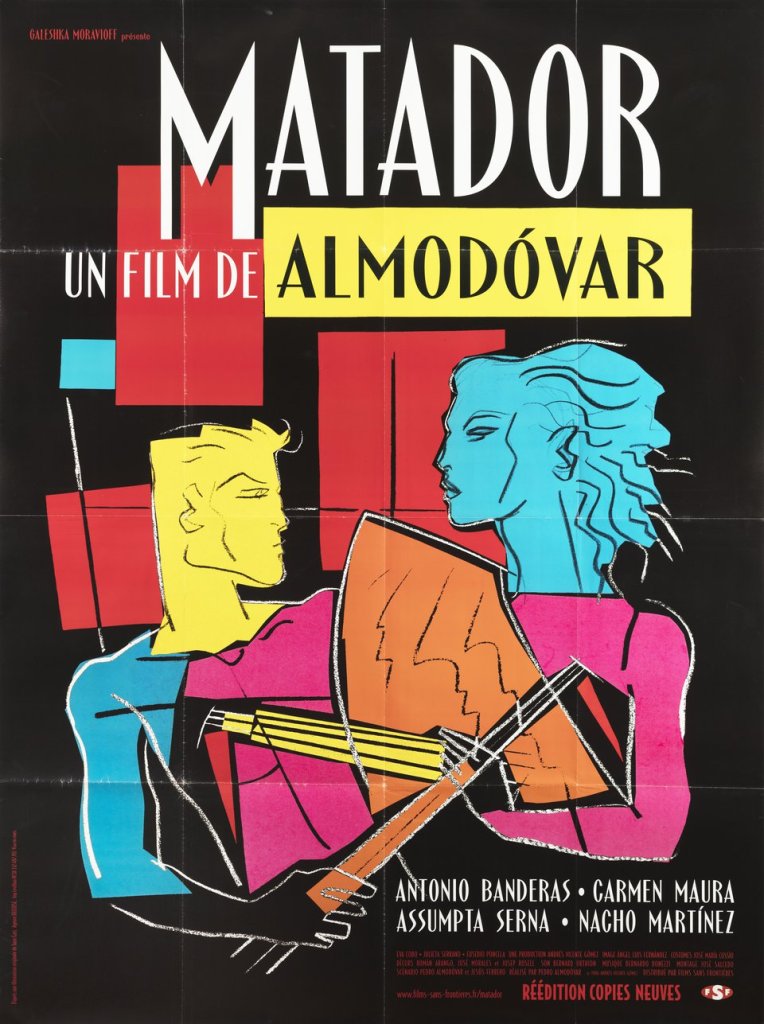
Pedro Almodovar’s film, Matador, has a provocative opening salvo, with the character of Diego Montes (Nacho Martinez) sitting alone at home, masturbating in a chair to clips of murder and death scenes from slashers and giallo thrillers (I was delighted to recognise the Jess Franco film, Bloody Moon, in the mix). Shifting from this conflation of auto-erotic stimulation and cinematic killing, the film presents its own version of that, cross-cutting between a bullfighting class and a female serial killer seducing a man and killing him during sex.

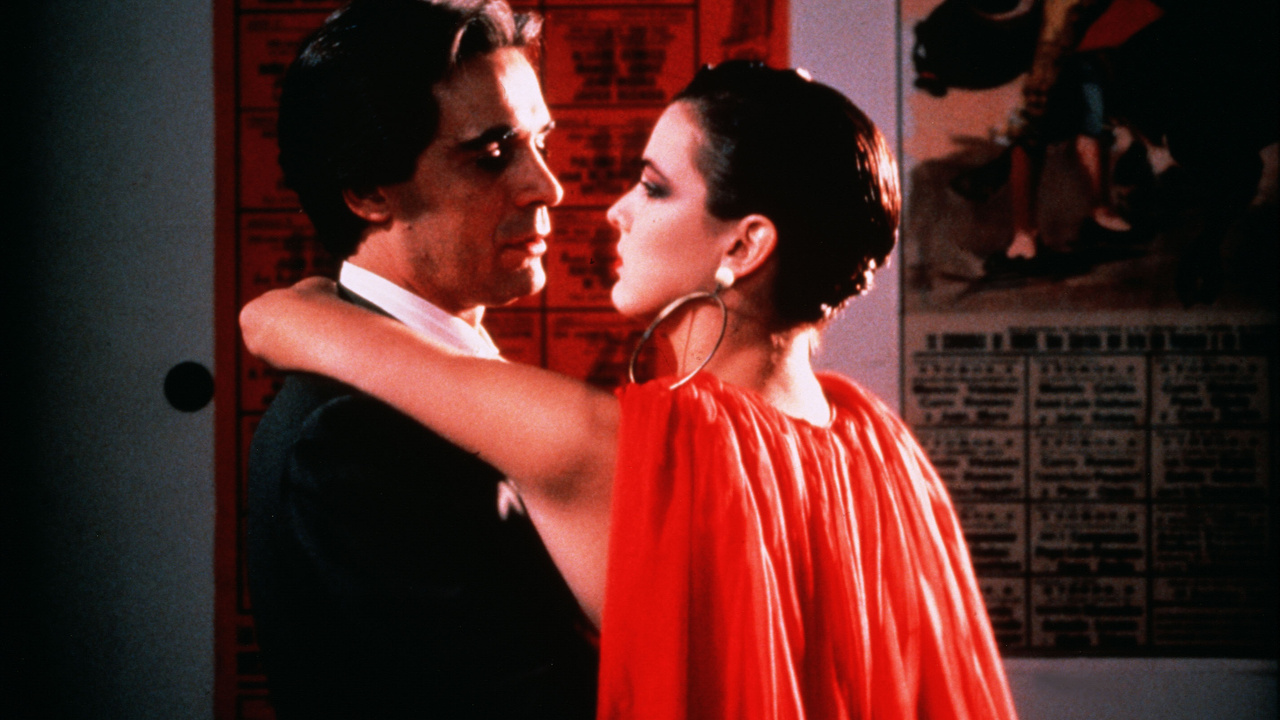
Once a famous matador until he was gored in the ring, Diego runs a bullfighting school and counsels a nervous student, Angel (Antonio Banderas). When Angel commits a crime out of frustration with his own masculinity and sexuality (as well as the restrictive and oppressive attitude of his religious mother), this connects Diego with Angel’s lawyer, Maria Cardenal (Assumpta Serna) who the audience identifies as the serial killer from the opening sequence. Matador is in-your-face with its depiction of sex, violence, sexual assault, and the romance that sparks between two depraved characters who finally connect. A key sequence is when Antonio Banderas character sits in his prison cell and suffers visions of random people being killed in robberies and attacks across the city, his horrified reaction speaks to the thematic concern with violence. From the cultural event of bullfighting to the psycho-sexual temperament of the film’s character, people are either drawn to or disturbed by society’s preoccupation with violence.
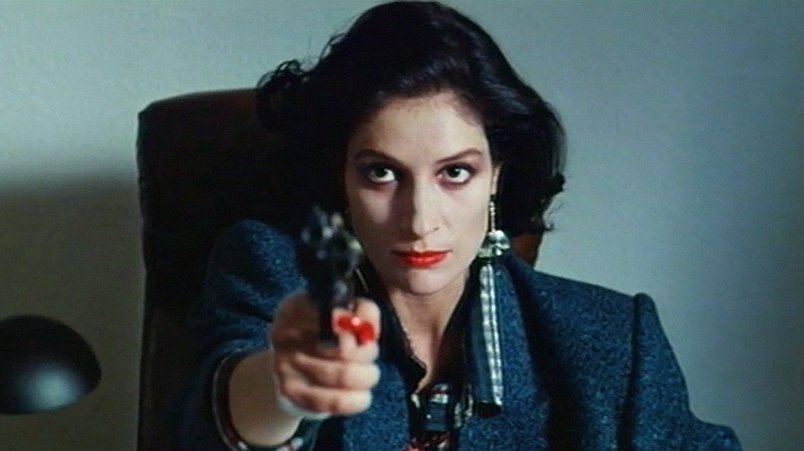
Great performances, particularly from Serna as the vampy lawyer with a hidden passion for murder, and the young Banderas as the troubled Angel. Almodovar’s interests in classic Hollywood, fashion, mothers and of course, the colour red, are all in good supply here, albeit in a genre form that feels more in the Hitchcockian and De Palma thriller mode, than his later films. Available to stream on Brollie.

 VHS Tracking