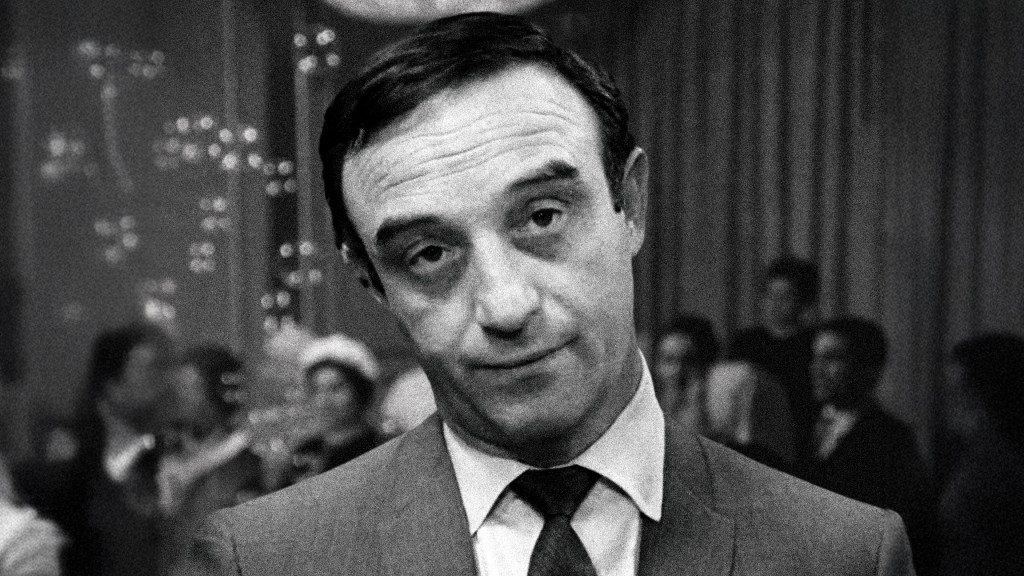
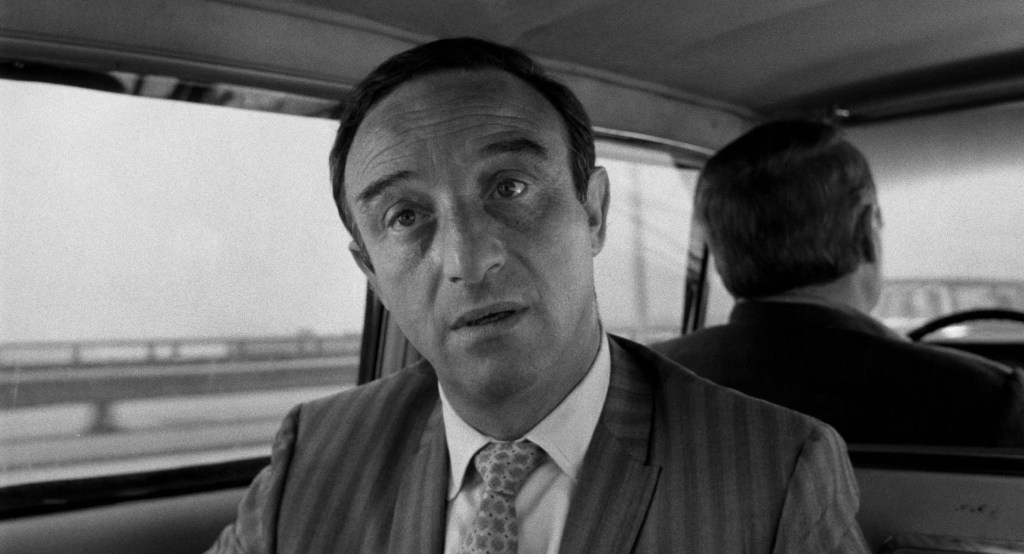
I love a movie where an operator makes the rounds. Our protagonist moves around their world, connecting with other characters and settings, each a mini-world of their own. Each stop along their circuit is another insight, another layer into our main character. The Plot Against Harry (1971) is about a Jewish low-level criminal named Harry (played by Martin Priest), who is released from prison after a one year stretch. With the black-and-white cinematography, this might strike a note of gritty realism; the film was shot in the 1960s and might recall Sidney Lumet’s earlier work. And yet, when Harry is met by his limping assistant Max (Henry Nemo) and already starts using the two telephones inside his fancy car that he’s chauffeured around in, we start to get the comic and off-beat tone of the movie. Harry makes the rounds, stepping back into the numbers racket, and yet the worlds he gets caught up in are wider than that. Focusing on the numbers game was a way for the filmmakers to look at a criminal operation without getting too heavy into violence, and to work more as a social comedy about money.
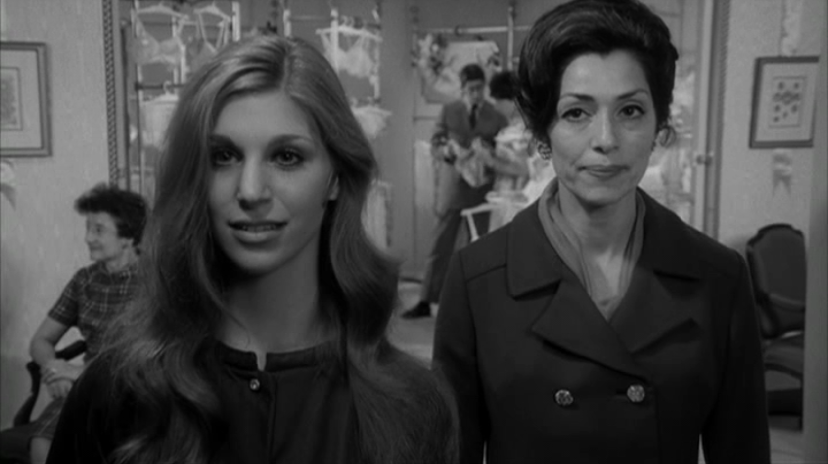
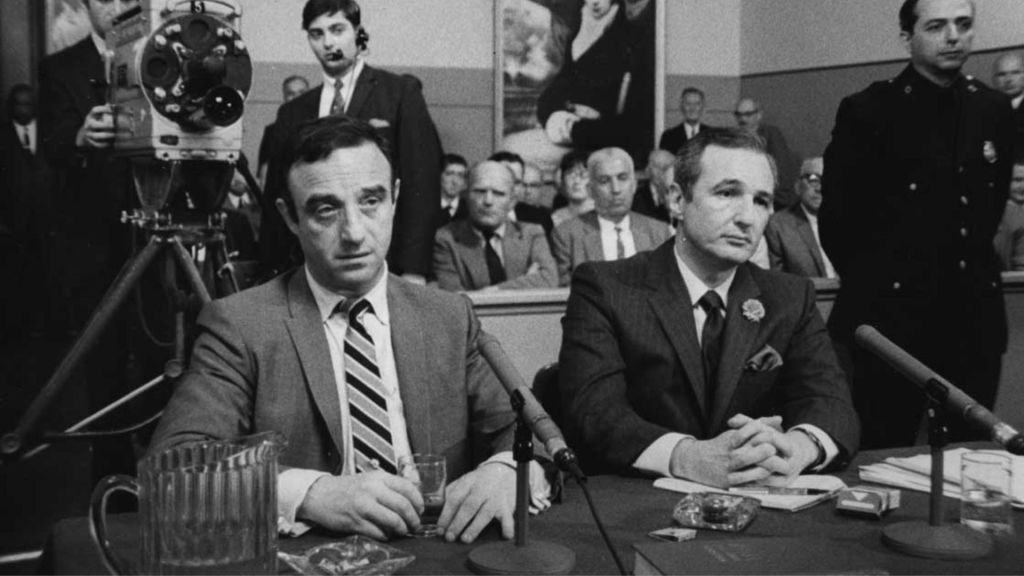
Director Michael Roemer shelved this independently produced comedy film after disastrous test screenings where no one seemed to laugh. It was only finally released in the late 1980s after an editor laughed when he was digitising the film on video for his children. All of this is mind-blowing to consider with the quality of The Plot Against Harry and its ambition as an indie movie, the locations across New York that the production uses and the numerous extras that fill up the frames. The film makes it seem like an obvious trick: to believe in the world you’re depicting, every scene has to be a tour. A Baht Mitzva, a restaurant, a courthouse, a hospital, a television studio. With their background in documentaries, the filmmakers ensure The Plot Against Harry feels lived in and a document of 1960s New York.
The Plot Against Harry is dryly funny. With a propensity to frown and grouch, Harry is lightened as a character through his surprise reunion with his ex-wife Kay (Maxine Woods) and their extended family, particularly his two grown daughters who has not seen in some time. Juggling his displacement in the numbers racket and his bids for respectability into deciding to own a restaurant, the movie builds upon the increasing social chaos in a pointed and sly way. Comparisons could be made to A Serious Man and Uncut Gems in the intersection between Jewish culture and community, and how they intersect with other upper class and lower class communities, WASPs and ethnic migrants, and the increasing anxiety and pressure placed upon its beleaguered protagonist, beautifully portrayed by Martin Priest who is consistently frowning and put-upon.
This is a film I’d always been curious about since reading a glowing Roger Ebert review when I was young, seeing director Michael Roemer’s other film, Vengeance Is Mine (a masterpiece), and finally being able to see it thanks to a remastered Blu-ray release from The Film Desk.

 VHS Tracking